The Avebury Papers
13 June —18 October
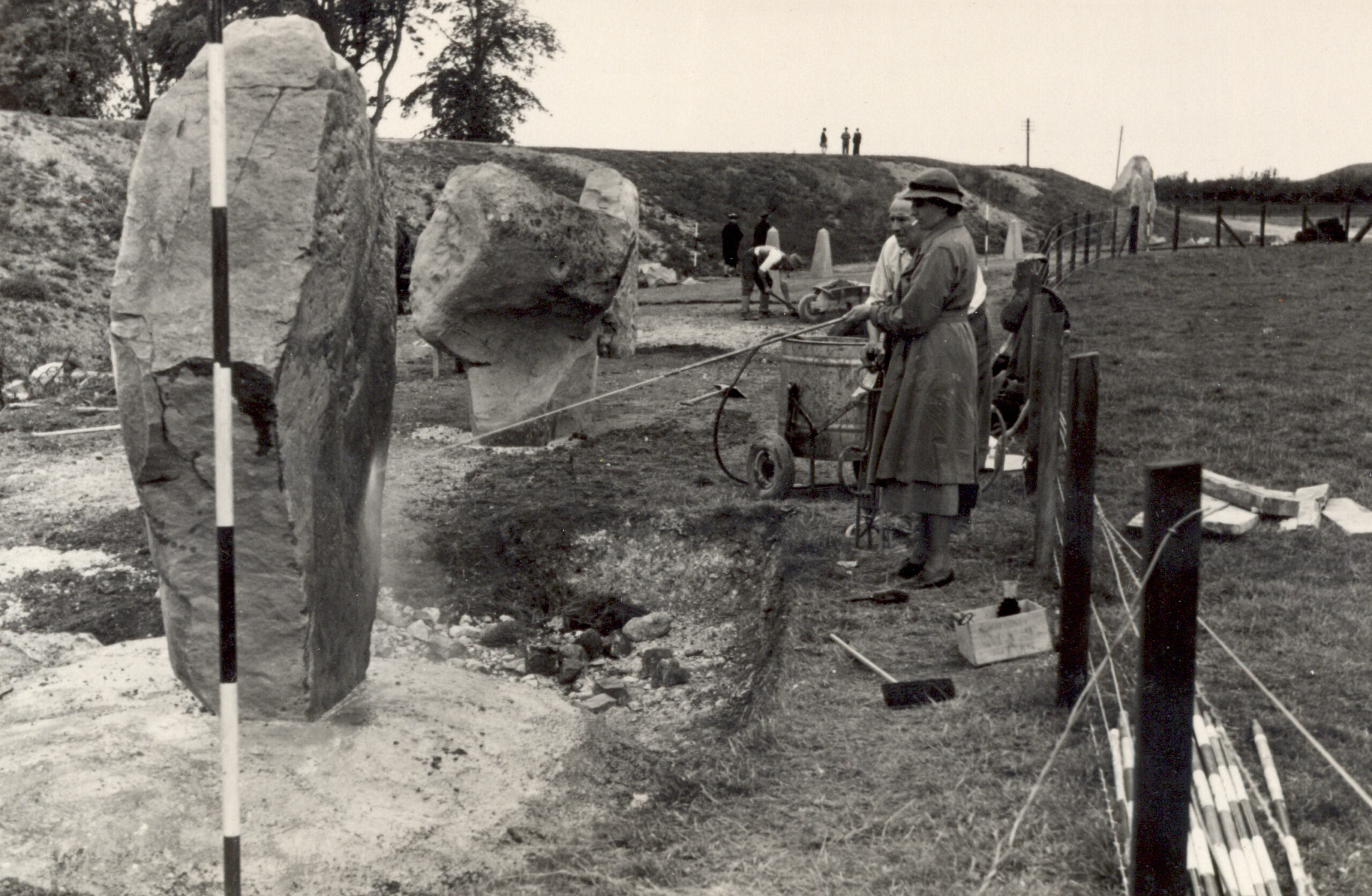
The Avebury Papers is a four-year UKRI funded project to digitise, explore, and share the multimedia archive of Avebury’s Neolithic origins and ongoing investigation. To encourage creative reuse of the archive and inspire new stories, The Avebury Papers Project commissioned two artists, Gayle Chong Kwan and Kialy Tihngang to respond to the wealth of material making up the Avebury Papers.
Gayle Chong Kwan
Oneiric Archaeologies
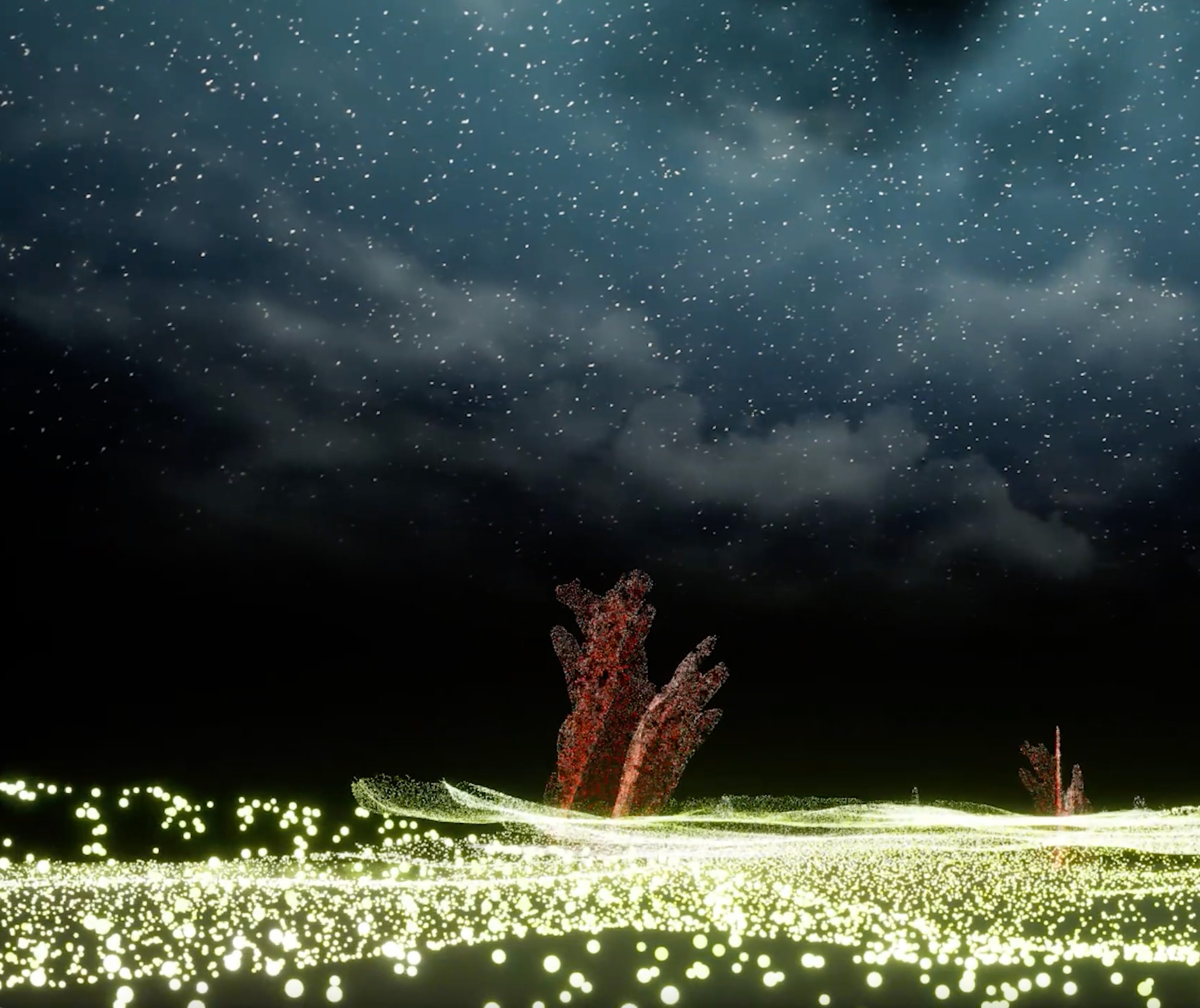
Gayle Chong Kwan reimagines Avebury as a stone circle through which you are transported to surreal dream landscapes populated by collages, clay objects, tools, lidar scans, archaeological objects, and more-than-human encounters. She draws together historical and contemporary archaeological dreams about Avebury to reenact and reimagine the collective re-shaping of standing-stones since the Neolithic period.
Guided experiences of Oneiric Archaeologies will take place on 20 June, 18 July, 22 August and 19 September
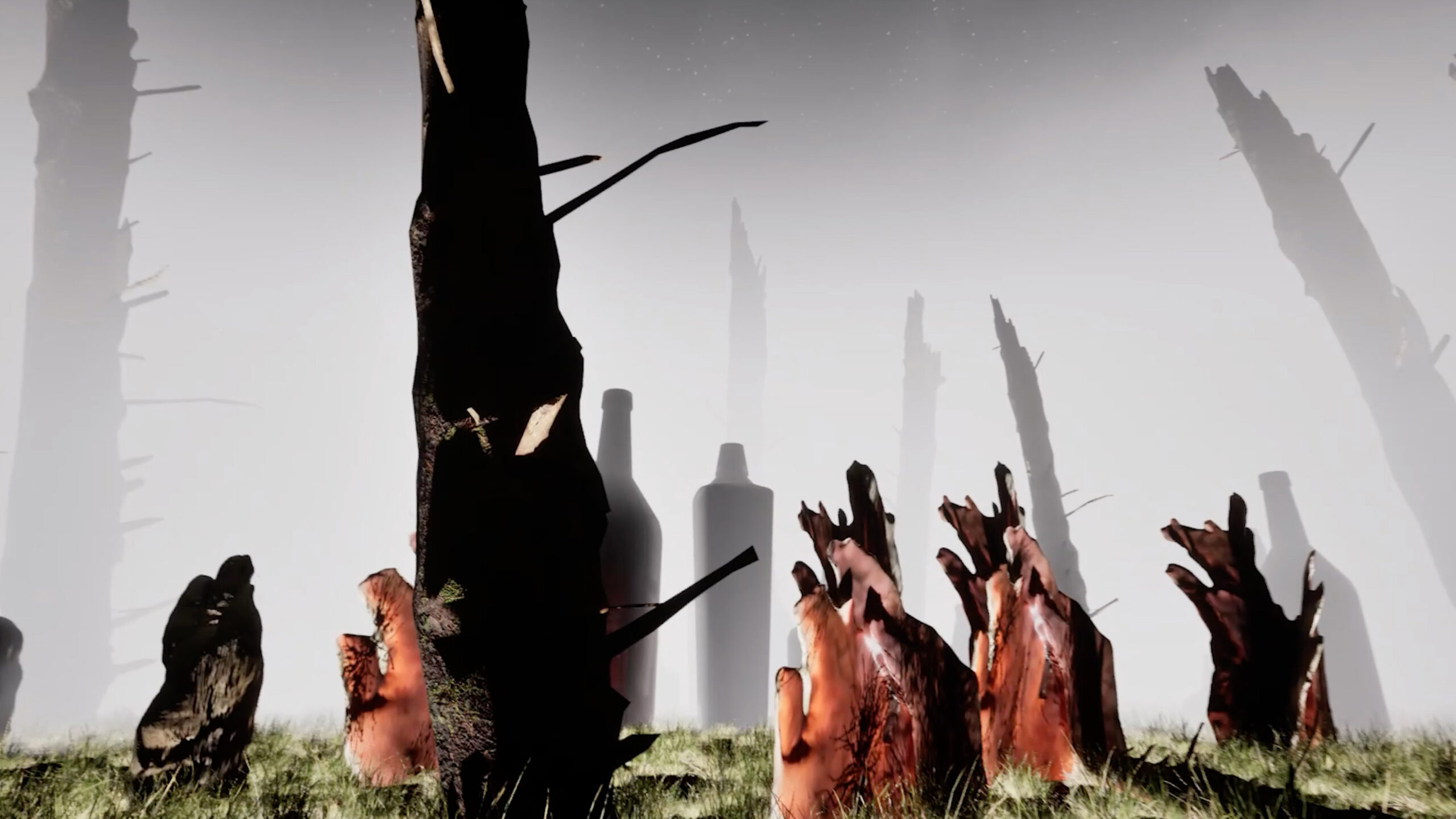
Header image and above: Gayle Chong Kwan Oneiric Archaeologies 2025 © the artist
Kialy Tihngang
The Bluest Eye
Kialy Tihngang’s starting point is the theory that Avebury’s stone circles were built to commemorate the domestic dwelling of a group of early farmers who migrated to southern England some 5,800 years ago. These people risked their lives, crossing the channel and bringing skills to enrich the country. Drawing upon notions of the circle and the ripple, alongside the materiality of sediments and standing stones, she visualises the hopes, experiences and challenges encountered by new peoples and ideas arriving in Britain.
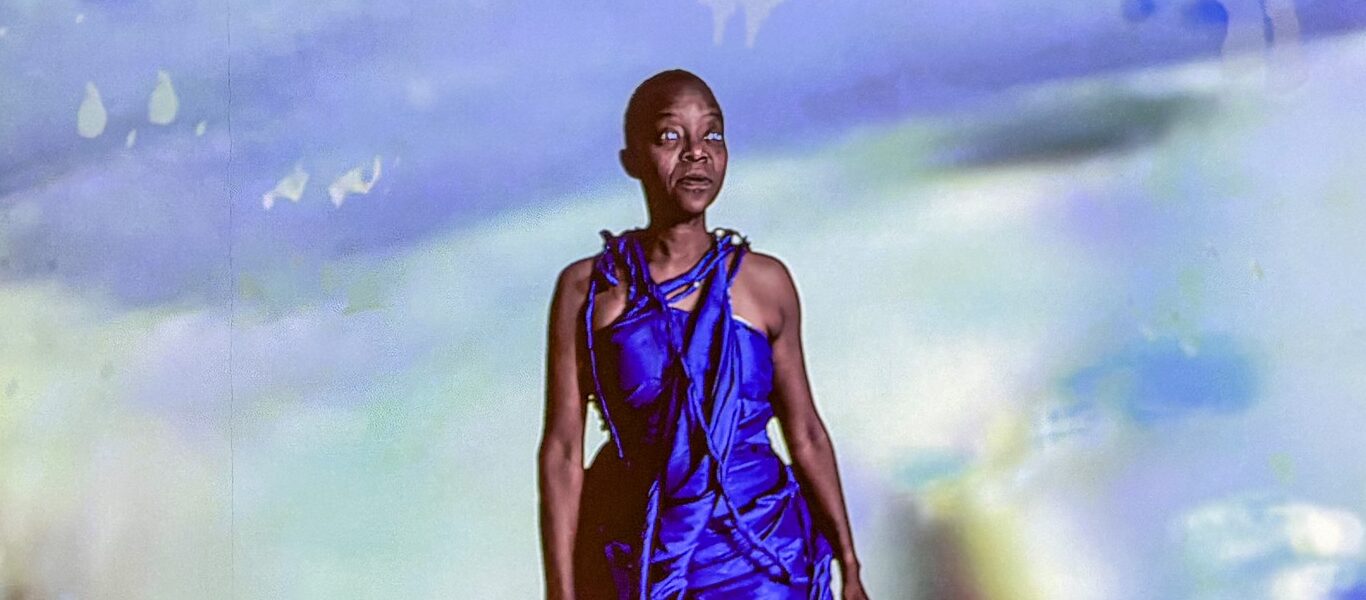
Image: Kialy Tihngang, The Bluest Eye (still), 2025 © the artist
Art Talks
History Talks
XR Experience