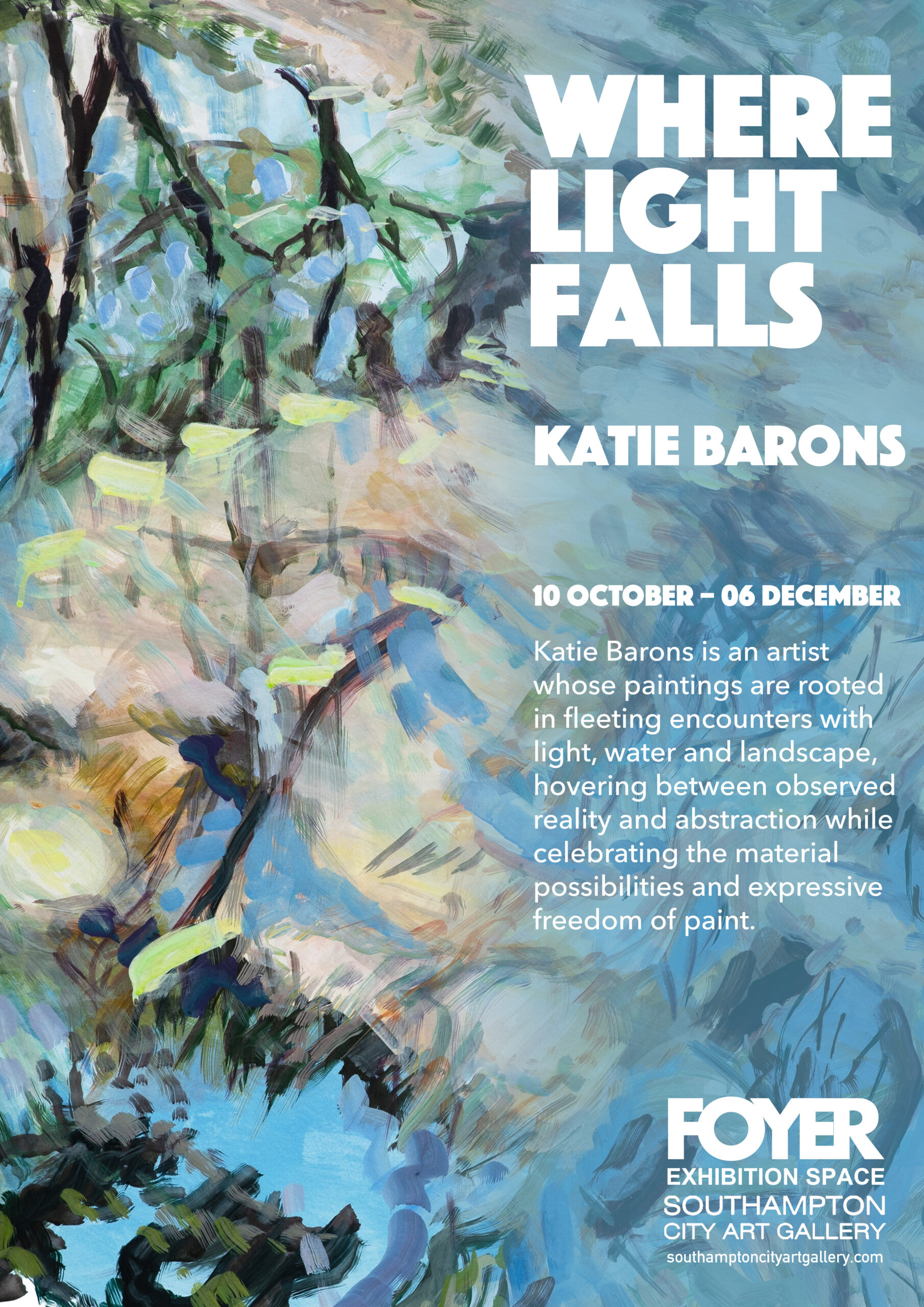
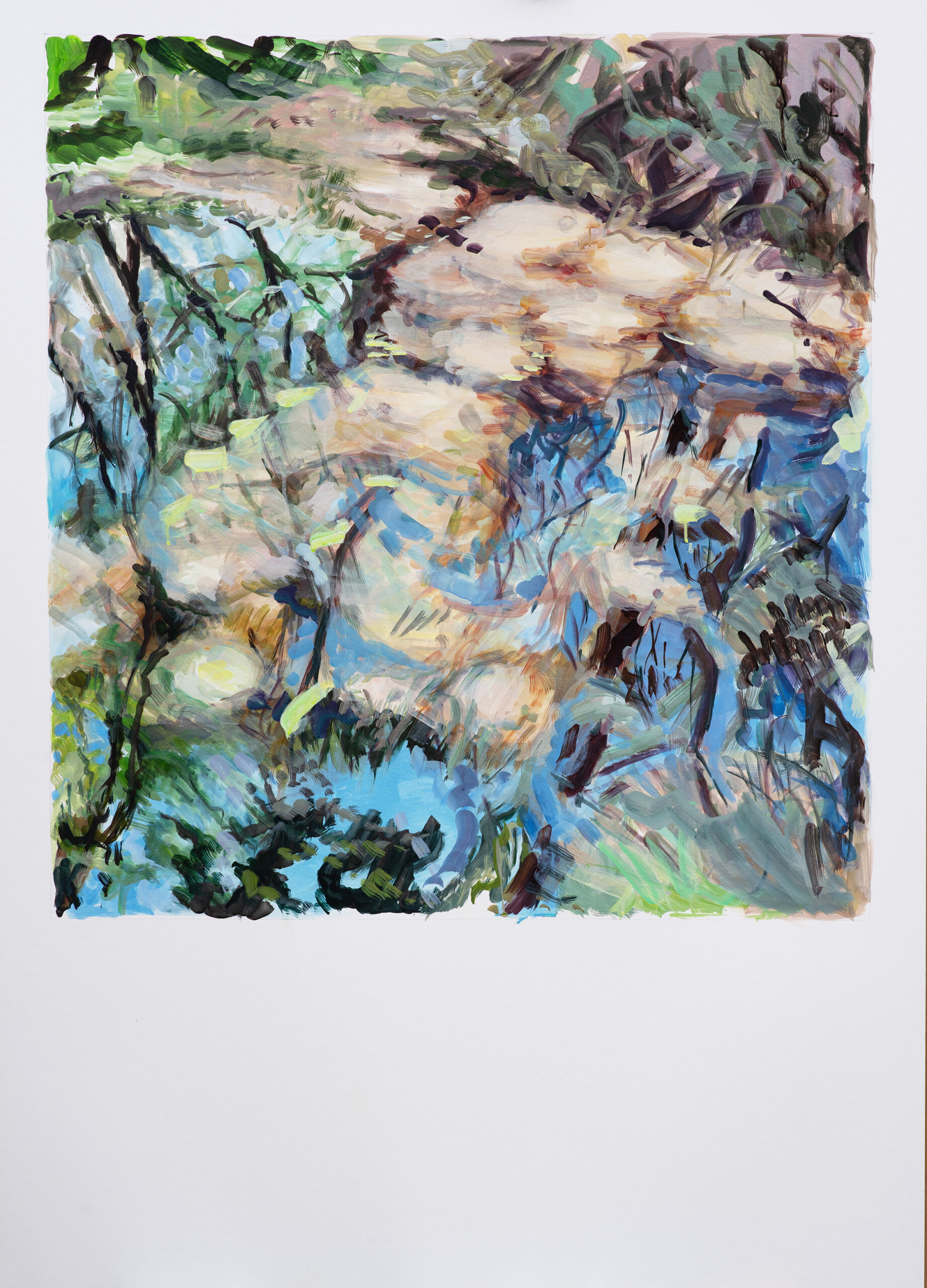
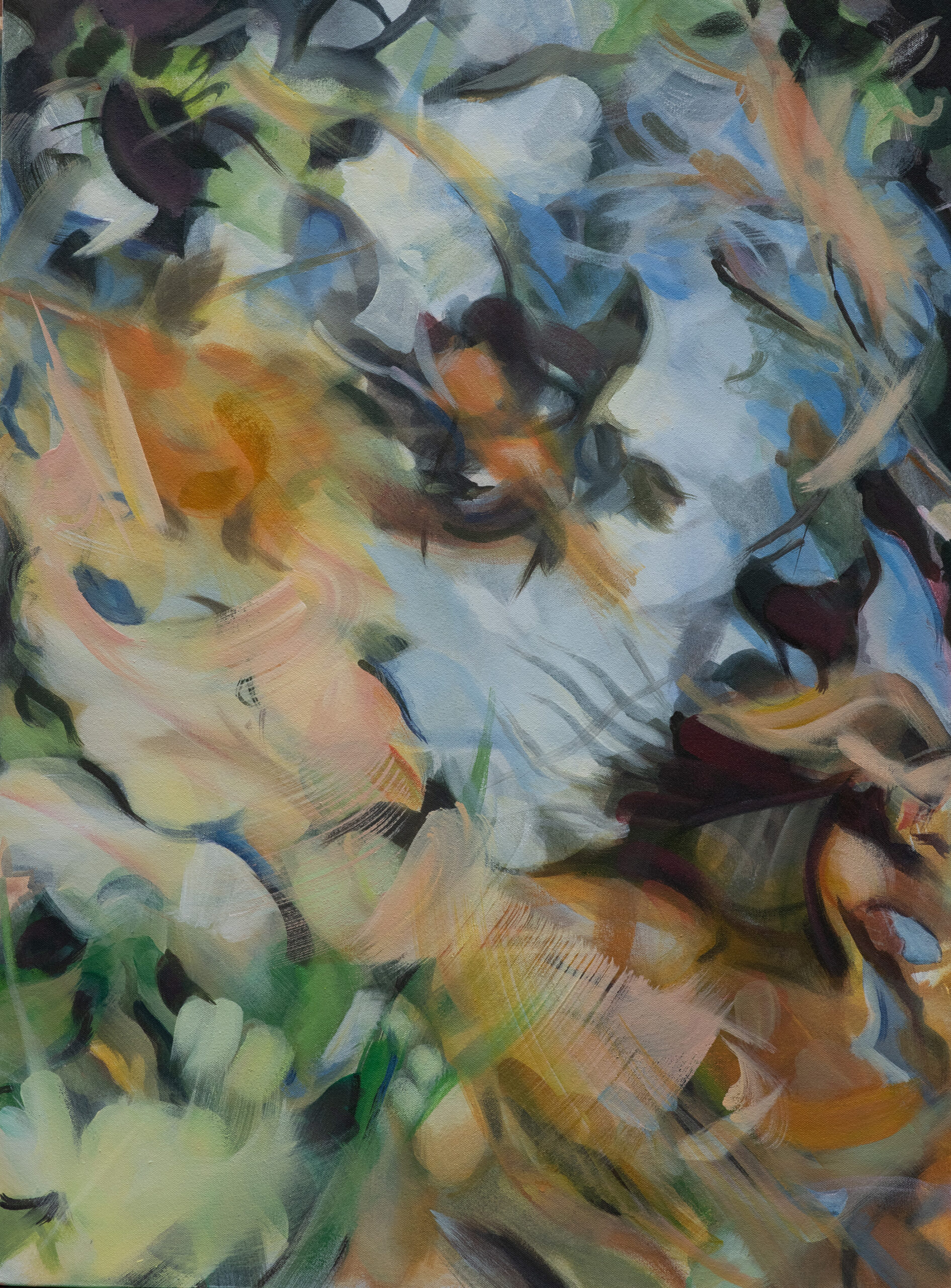
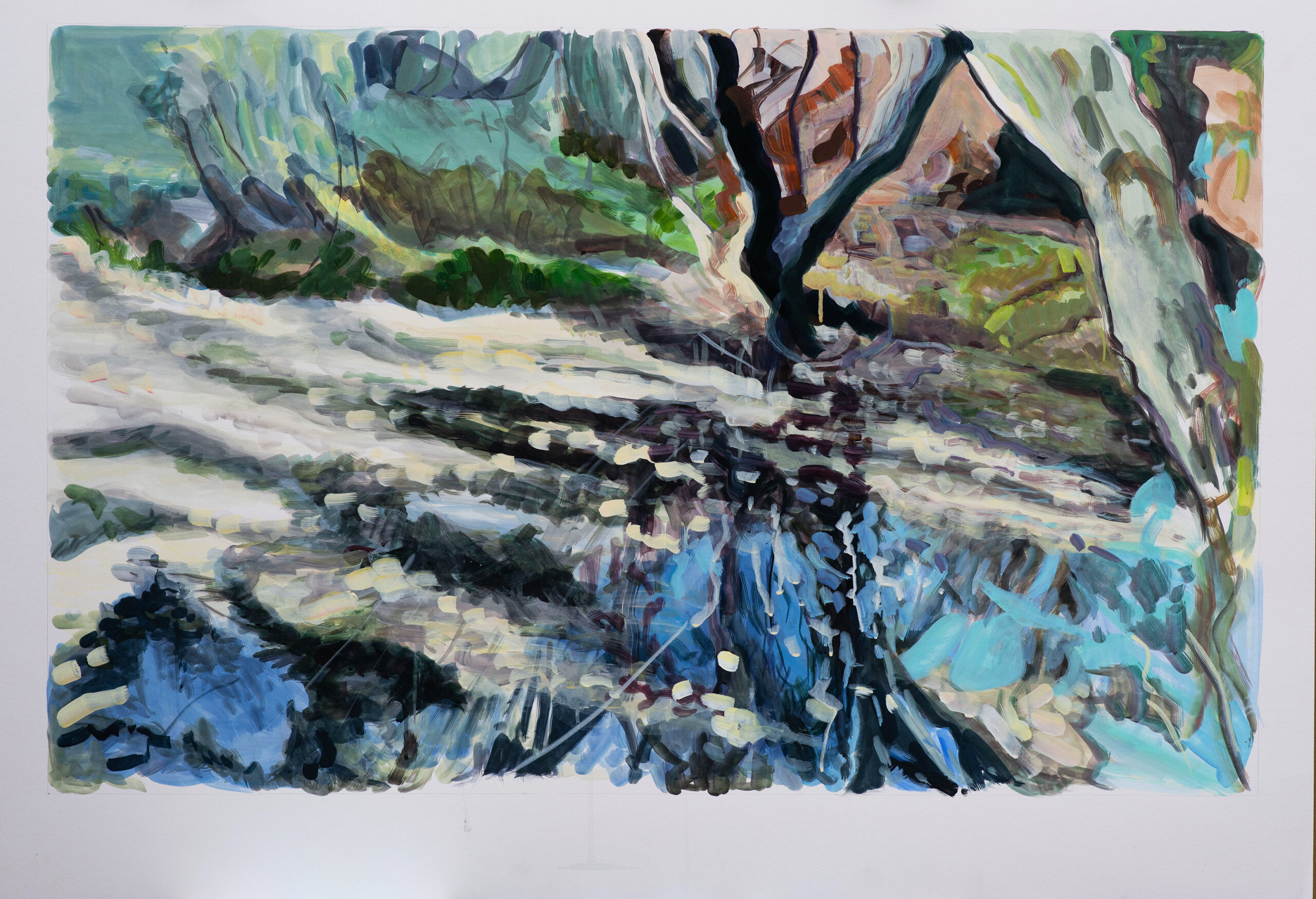
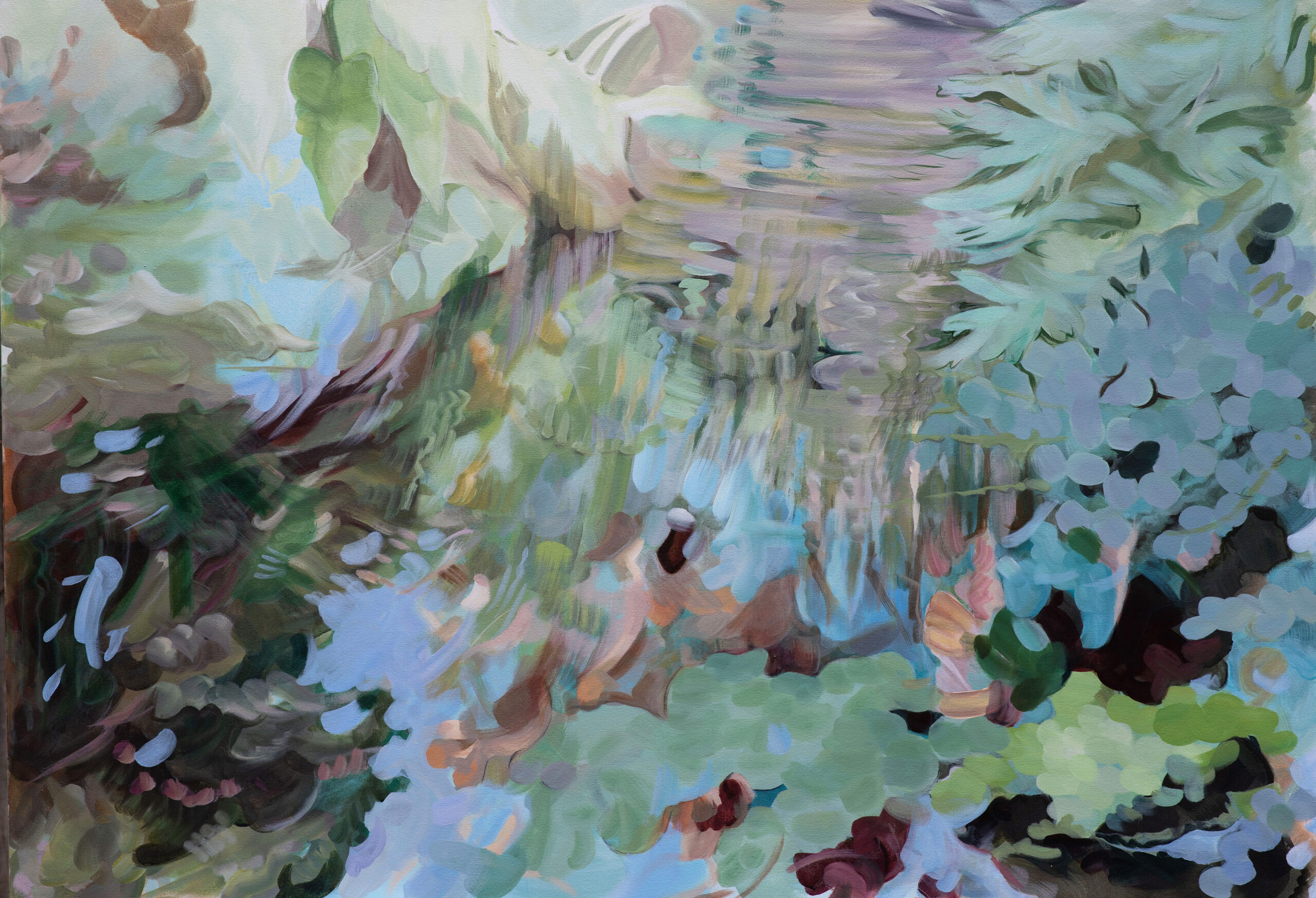
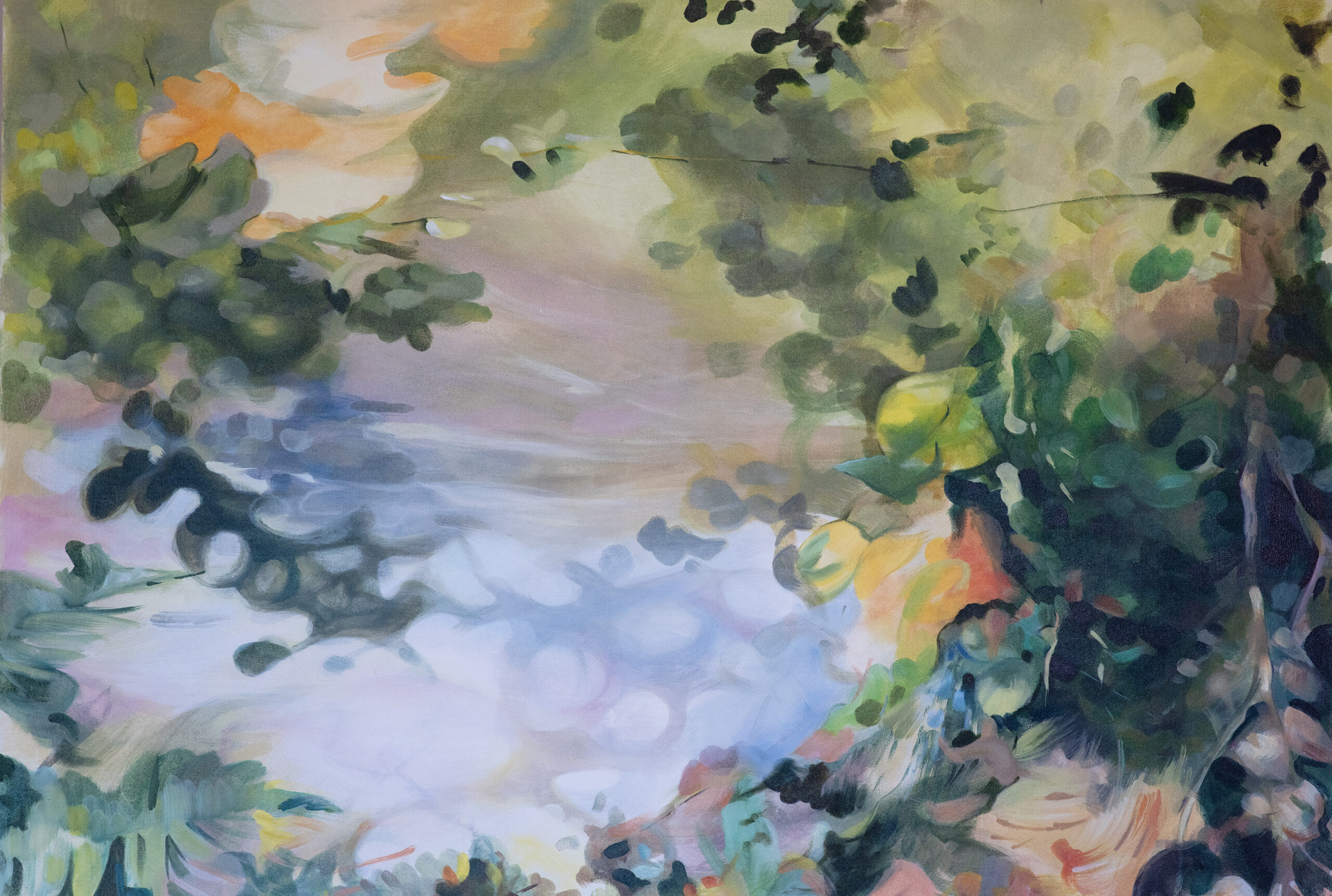
Katie Barons is an artist whose paintings are rooted in fleeting encounters with light, water and landscape, hovering between observed reality and abstraction while celebrating the material possibilities and expressive freedom of paint.
Working from direct experience of the natural environment, she explores transient moments in which atmosphere, movement and light briefly converge. Her paintings offer subjective responses to sensation, perception and memory, allowing images to evolve through gesture, colour and surface.
Left image: I Felt © Katie Barons
Beginning with observation, each work remains open to transformation through the physicality of paint. Embracing process, intuition and discovery, Barons allows forms to emerge and dissolve as she responds to the unfolding image. Her paintings occupy a space between representation and abstraction, where light becomes both subject and presence.
Barons graduated with a BA in Fine Art from UCE in 1999. She currently also has work on display at the Italian Villa, Compton Acres, and her paintings are held in private collections. She is a Senior Lecturer in Painting at Arts University Bournemouth.
To find Katie on Instagram click here…
Right image: Shards and Fronds1 © Katie Barons
It Always Was
© Katie Barons
Swirl and Trickle
© Katie Barons
So Still
© Katie Barons
I Felt
© Katie Barons
Foyer Exhibition Archive 2026
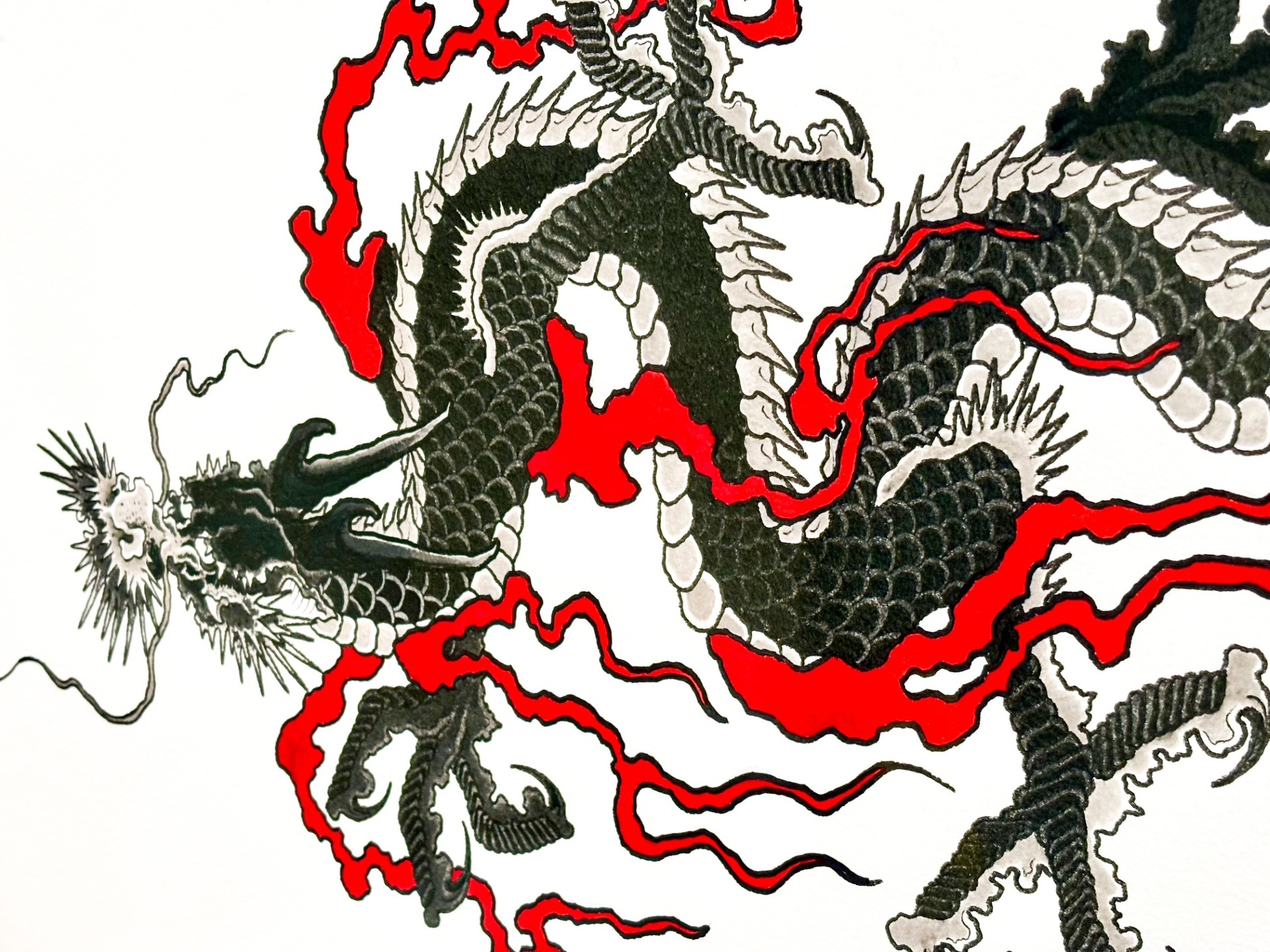
Gareth Lord – a Tattoo Machine and a Thousand Stories
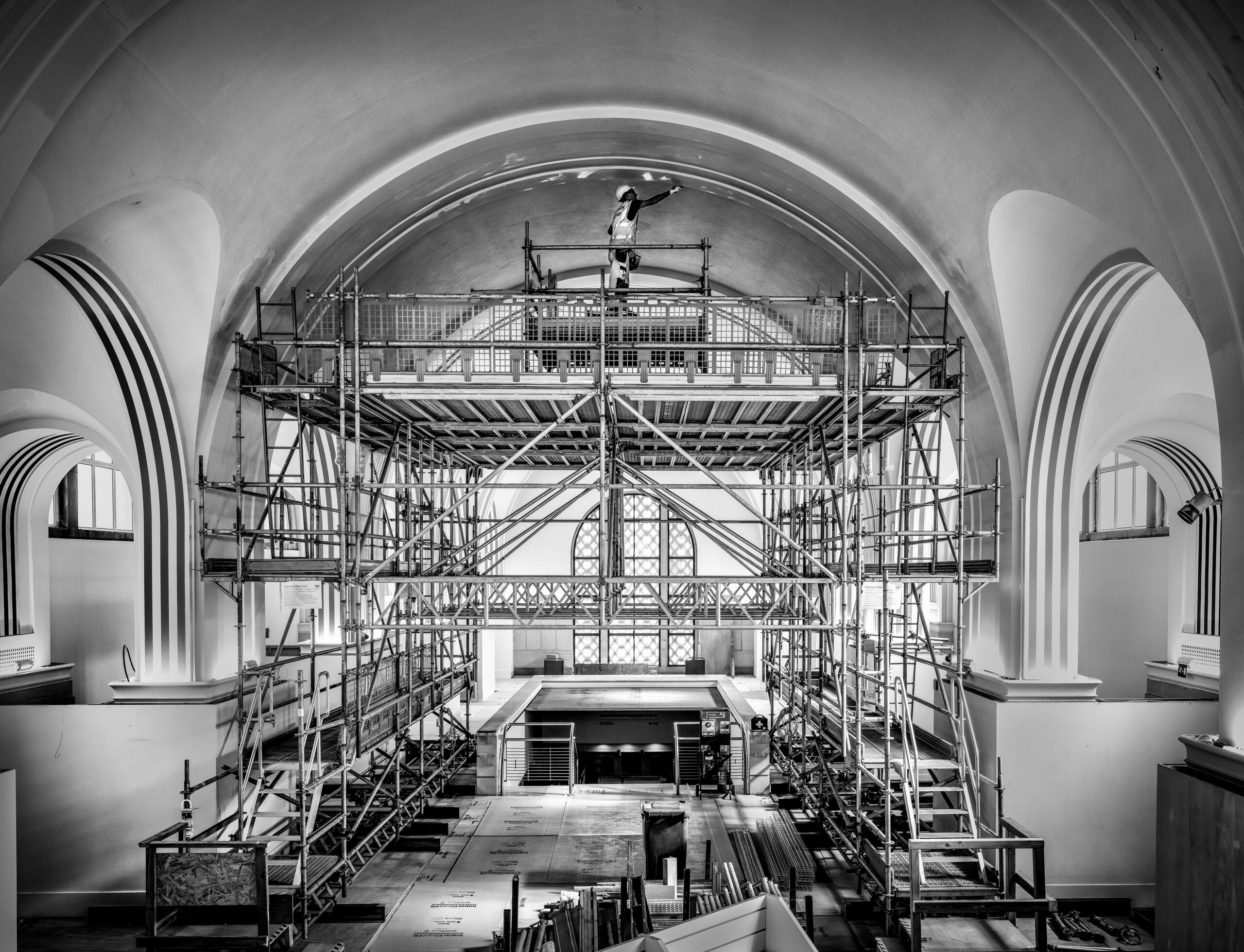
Joe Low – REFURB
Foyer Exhibition Archive 2022-2025

Joanna Rose Tidey – A Splash of Nature

Melanie Georgiou- #2024Southampton

Kirk Wadmore- Strange Perspectives

George Gammer: Sprat & Winkle, Test & Itchen

THE KEEPERS


Urban Sketchers


Martin Davey
Foyer Exhibition Archive 2019-20


Foyer Exhibition Archive 2019-18


Gathering Memories


